2026-10-19
Weaponeering vs. battle damage assessment: where the two split
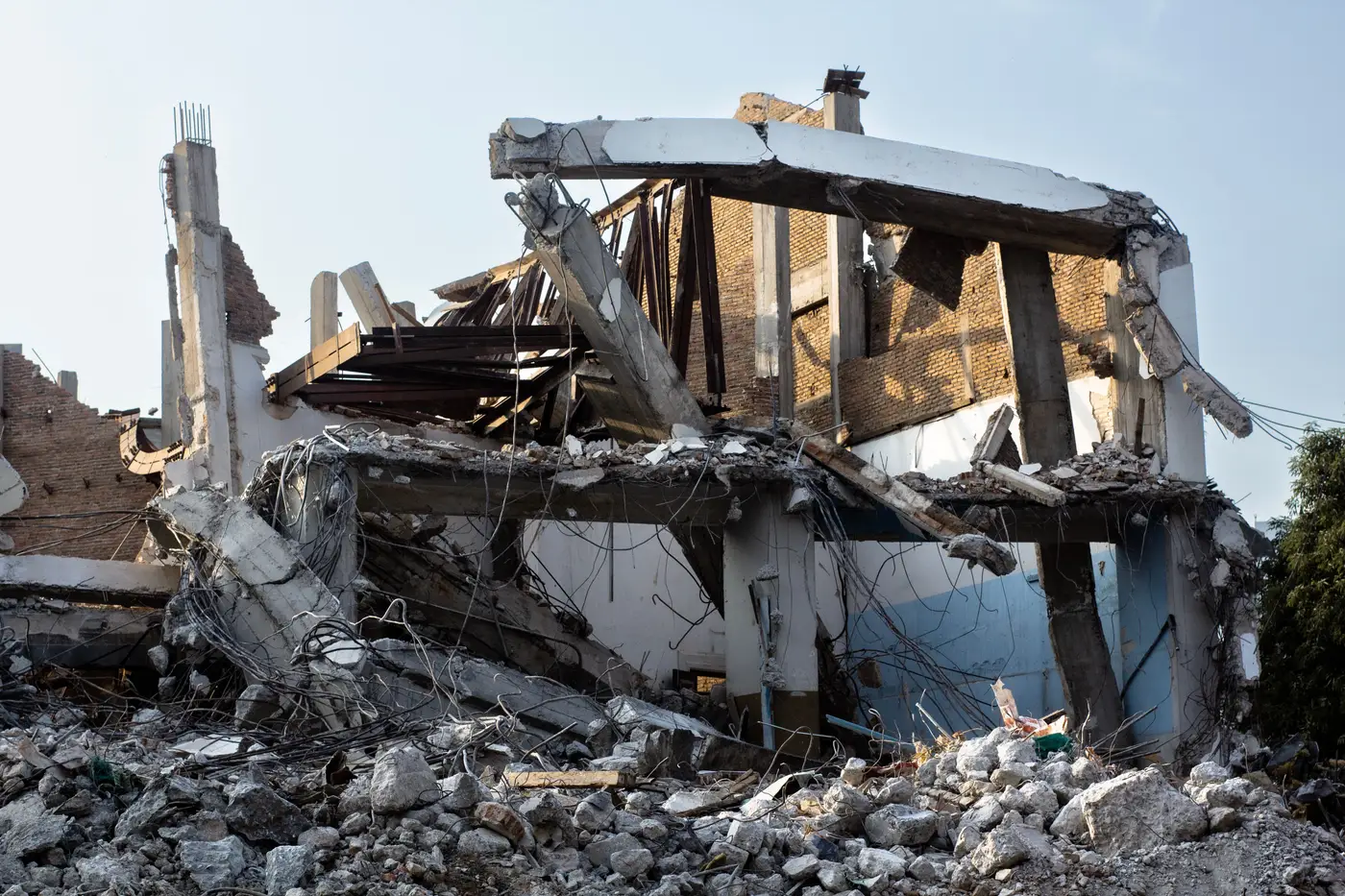
If you've sat through a targeting board, you've heard both terms thrown around in the same sentence, sometimes by the same briefer in the same breath. That's part of the confusion. Weaponeering and battle damage assessment sit on opposite sides of the strike, and mixing them up in a planning document is the kind of thing that gets flagged in review.
Weaponeering happens before the bomb drops
Weaponeering is the math you do beforehand: which weapon, how many, what fuze setting, what angle of attack, to achieve a specified level of damage against a specific target with an acceptable level of risk. It leans on JMEM data, structural vulnerability numbers, and a desired probability of damage or probability of kill. The output is a weapon-target pairing and a recommended aimpoint, usually bundled with a collateral damage estimate for the approval chain.
None of this is observed. It's predicted. A weaponeer is answering "what should happen if we hit this aimpoint with this weapon" using tables and models built from prior testing, not from what happened at this target on this particular day. That's the whole point of doing it before the strike: you need a defensible answer before you commit ordnance, not after.
Battle damage assessment happens after it lands
BDA is the opposite direction. The strike has already happened. Now someone has to look at the target and determine what state it's in, structure by structure, and whether the effect the weaponeering predicted is the effect that was achieved. This is where physical damage assessment, functional damage assessment, and the target system assessment come in, feeding the re-attack recommendation.
The gap between the two is the whole reason re-strike decisions take as long as they do. A weaponeering solution can say "high confidence of destruction" and still leave you staring at post-strike imagery where the roof is gone but the load-bearing walls and the equipment inside look untouched. Predicted damage and assessed damage are different numbers, and the second one is the one that drives whether a target comes off the list or stays on it.
Why the distinction matters at the planning table
Treating BDA as a formality that confirms what weaponeering already told you is how targets get dropped from the re-attack list too early, or how limited sorties get spent on a structure that's already functionally dead. The weaponeering solution is a prediction built before anyone had eyes on the strike itself. BDA is the check against reality, and it's the input that should be driving the next tasking order, not the earlier prediction.
This also means the two processes need different inputs. Weaponeering runs on weapon effects data and target vulnerability numbers that exist independent of any particular strike. BDA runs on imagery of that specific target after that specific strike, and it needs to run again every time a target gets hit, because the structure's condition changed and the previous assessment is now stale. A weaponeering table doesn't need updating after every strike. A damage assessment does.
In practice, the planning officer who treats these as one continuous step is the one who ends up re-tasking a strike package against a target that was already functionally destroyed, or missing a re-strike window on one that wasn't. The two outputs answer different questions. "What should this weapon do to this target" and "what did this weapon actually do to this target" are not the same sentence, even when they're about the same aimpoint on the same day.
Where this leaves the re-strike decision
The re-strike call lives entirely on the BDA side of that line. It needs a dated, per-structure grading of what's left standing and what isn't, compared against before-strike imagery of the same target, not a re-run of the weaponeering model. Battle Damage Assessment is built around exactly that gap: a tasking that runs when a strike happens, producing an itemised, dated grade per structure so the planning table is working from what was hit, not from what the weaponeering solution expected to happen.
If your next targeting board is waiting on a damage grade before it can clear a re-strike, that's the product to look at.