2026-10-26
Strike package definition: what sets the order a re-strike tasking runs in
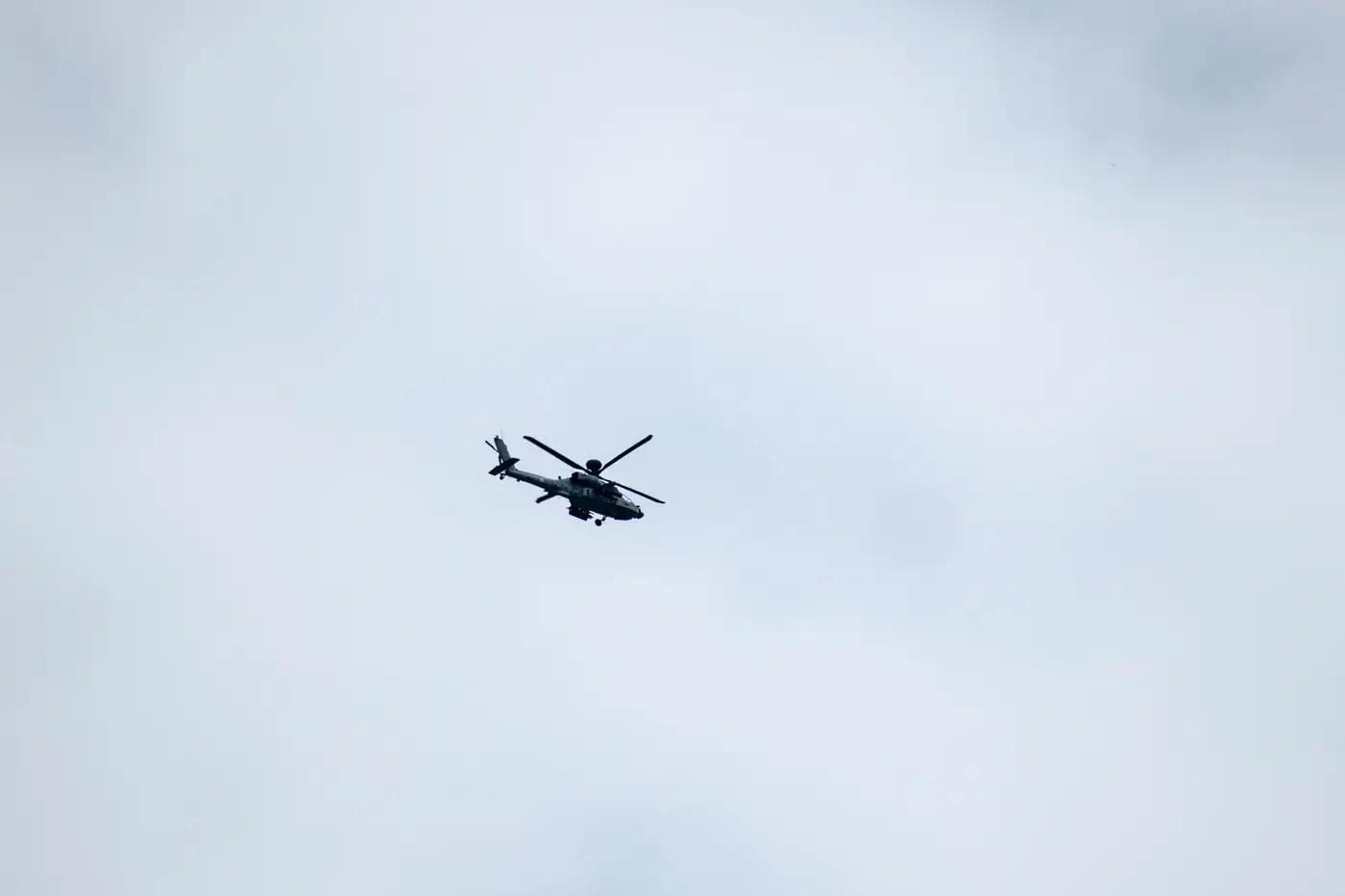
A strike package is the set of aimpoints, platforms, and timing tasked against a target or target set as one coordinated action. It's built in the planning cell before the mission launches: which DMPIs get hit, in what sequence, with what ordnance, and what the desired effect is for each aimpoint. The package itself doesn't tell you what happened. It tells you what was supposed to happen.
Once the strike is flown, what mattered in the plan gives way to what happened. The re-strike tasking order, the list of which targets get hit again and in what priority, comes from what the package achieved against each DMPI, graded after the fact. A DMPI rated destroyed drops off the list. One rated moderate damage with a structure still standing moves up. One with no effect assessed at all usually jumps the queue, because an unassessed target is functionally the same as an untouched one for planning purposes.
Why the package order and the re-strike order diverge
The original strike package is sequenced by logic set before weapons release: target priority, deconfliction, platform availability, weather windows. None of that logic survives contact with the outcome. A target that was priority three in the package can become priority one in the re-strike queue if it absorbed a dud or a near miss while every other aimpoint nearby came back destroyed.
This is the part that gets missed when people assume re-strike tasking just mirrors the original ATO line by line. It doesn't. The re-strike order is a function of per-structure results, not of the package's original sequence. Two buildings hit in the same pass, thirty meters apart, can end up on opposite ends of the next tasking cycle depending on what the post-strike imagery shows for each one individually.
What has to happen before the re-strike order can be set
Setting that order needs a grade against every aimpoint in the package. A single summary grade for the target set as a whole can't drive that kind of ranking. "The compound was struck" doesn't tell a planner which of the four buildings inside it need another pass. A target-by-target, structure-by-structure assessment does, and it needs to exist before anyone can rank the next tasking.
This is where the timeline gets tight. A strike package that ran this morning doesn't help a re-strike decision if the damage assessment doesn't land until tomorrow's ATO is already cut. The imagery tasking for BDA runs on the strike's clock. It fires when the strike is confirmed complete, independent of any standing collection schedule.
That's the case for event-driven imagery tasking over scheduled collection. A scheduled pass might catch the target set six hours after the strike, eighteen hours after, or miss the same-day retasking window entirely. A tasking that fires off the strike event itself, matched against a pre-strike baseline, gives the planner a before/after comparison on the timeline the re-strike decision runs on.
Battle Damage Assessment grades each structure in the package individually, dated against the strike and delivered as an itemized list rather than a single target-level verdict, which is what the re-strike order needs to be built on in the first place.
A package tells you the plan. The re-strike order has to be built from what the plan actually did, structure by structure, before the next tasking cycle closes. If your BDA isn't itemized and isn't tied to the strike event, you're ranking the next package off a guess instead of a grade.