2026-10-14
DMPI explained: why the aimpoint decides your re-strike call
A desired mean point of impact, DMPI in the shorthand everyone uses, is the specific point on a target that a weapon is aimed at to achieve a stated effect, down to a roof panel over a generator room or the base of a single fuel tank inside a larger compound.
This distinction gets lost outside the targeting cell. A target can be a whole facility, say a vehicle depot with six structures and a fuel farm. That facility might carry a dozen DMPIs across a single strike package: one on the main hangar roof over the maintenance bay, one on each fuel tank, one on the generator shed. Each DMPI gets its own weaponeering, its own expected effect, and its own line in the mission report. The facility is the target. The DMPIs are where the ordnance goes.
Why aimpoint selection drives the re-strike decision
A re-strike call isn't "did we hit the target." It's "did each DMPI achieve the effect it was weaponeered for, and if not, which ones need a second pass."
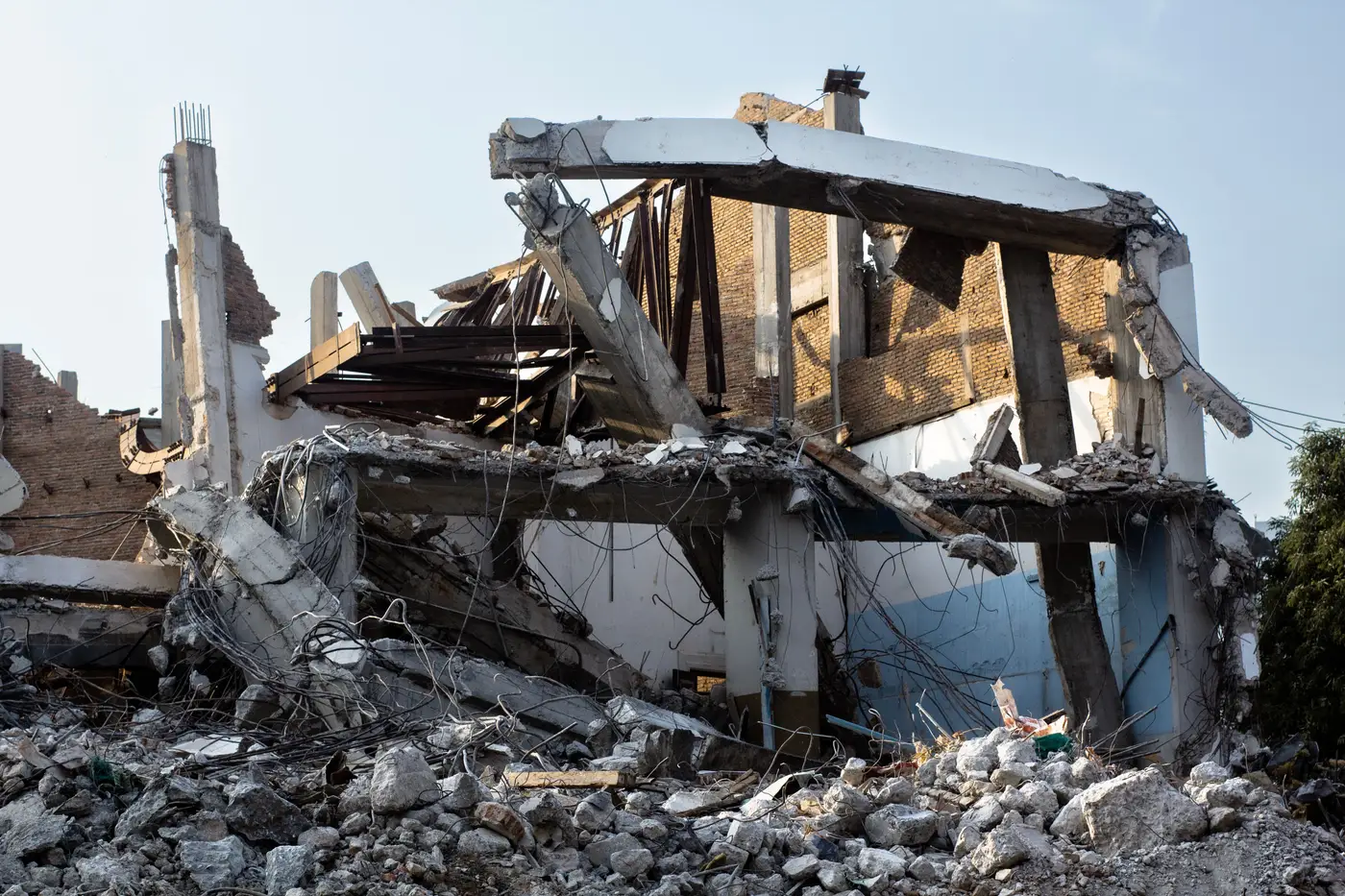
Say the depot took four GBU passes against four DMPIs. Post-strike imagery shows the hangar roof collapsed and the generator shed gone. Good. But one fuel tank shows scorching and a crater short of the tank wall, and the fourth DMPI, on a smaller structure nobody flagged as a priority, looks untouched. Without knowing which crater belongs to which aimpoint, a planning officer is left eyeballing a damage pattern and guessing at cause. With the DMPI reference tied to the structure, the call narrows fast: re-task the fuel tank, leave the hangar and generator alone, and decide whether the untouched structure still matters to the objective.
That's the whole value of keeping the aimpoint as the unit of assessment instead of the target as a whole. A target-level verdict like "object destroyed" tells a commander almost nothing about which of twelve aimpoints still needs ordnance. A DMPI-level verdict does.
Grading damage against the aimpoint, not the footprint
This is where structure-by-structure grading earns its keep. Each DMPI maps to a structure, or a distinct part of one, and each structure gets graded on its own from the before and after imagery: no visible change, light damage, moderate, severe, destroyed. Line that grade up against the DMPI it was meant to defeat and the re-strike list writes itself. No grade attached to no aimpoint, and the planning officer is back to reading a photo cold under a timeline that doesn't wait.
The practical failure mode here is a damage assessment that reports "target struck, effects observed" without tying any of those effects back to a specific aimpoint reference. That phrasing passes a cursory review and tells the re-strike board nothing they can act on. A useful BDA product keeps the DMPI, or at minimum the structure it maps to, as a column in the assessment, not a footnote.
Worth noting: the DMPI itself doesn't move once a strike package is built. Weaponeering locked it in before the first sortie launched. What changes after the strike is the grade assigned to whatever sits at that point, and that grade is the only input a re-strike board actually needs. Get the aimpoint wrong at the planning stage and no amount of post-strike imagery fixes it. Get the damage grade wrong against a correct aimpoint and the next sortie goes to the wrong building.
Battle Damage Assessment builds its itemised, dated damage grading around exactly this unit: one entry per structure, pulled from before and after VHR imagery, run as soon as a strike happens rather than waiting for the next scheduled pass. That's the layer that sits between "DMPI struck" and "DMPI confirmed destroyed, no re-strike required."
If your re-strike board is still reading raw before/after frames and reconstructing the aimpoint-to-damage link by hand, a per-structure grade run on the strike's own timeline is worth putting in front of them.