2026-10-07
Physical vs functional damage assessment: phase 1 and phase 2 explained
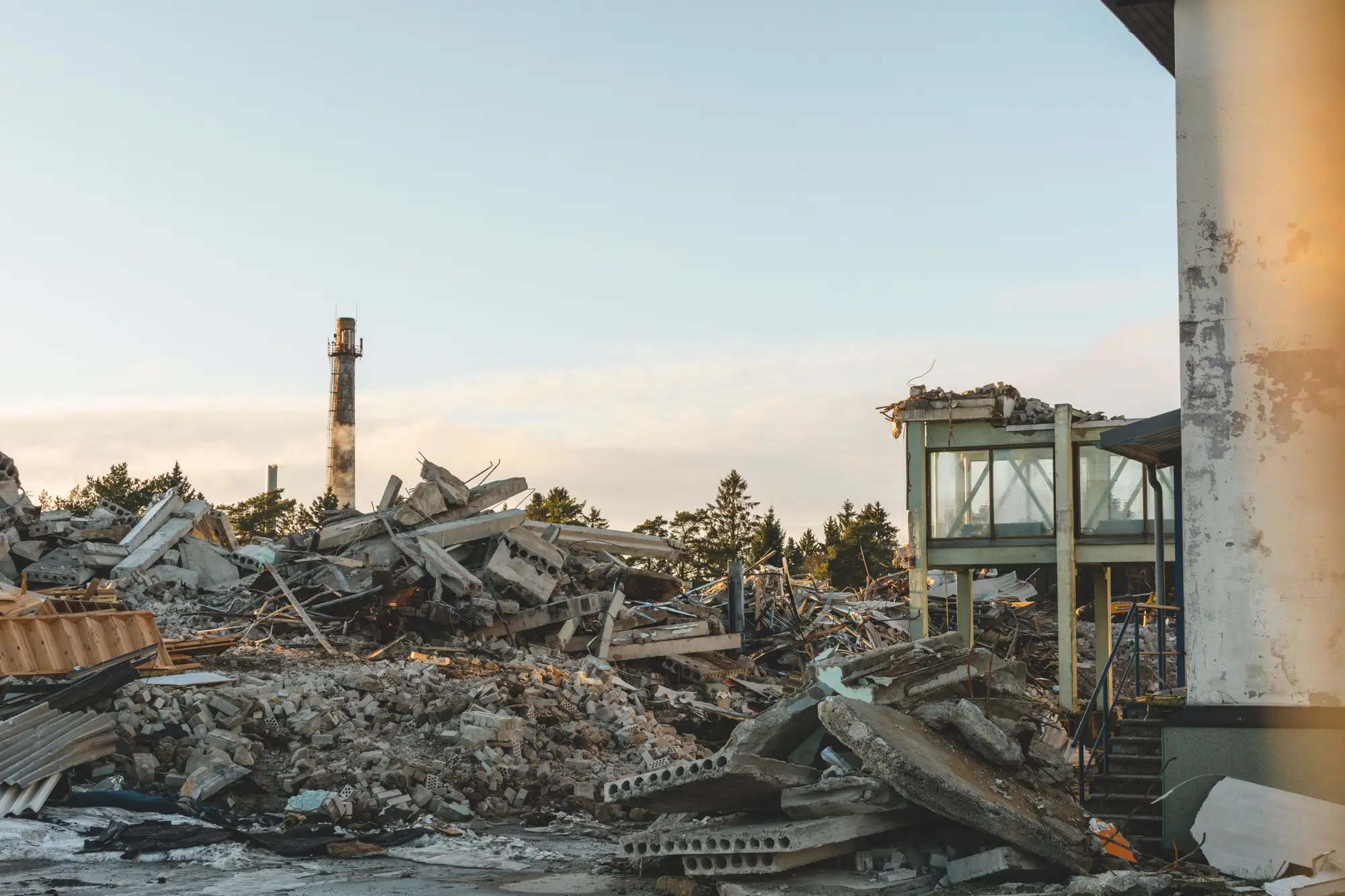
In the BDA cycle, phase 1 and phase 2 answer two different questions, and planning officers who blur them end up with a re-strike recommendation nobody can defend. Phase 1 asks: what's broken. Phase 2 asks: does the target still work. Get the order wrong, or skip straight to a functional call without the structural evidence behind it, and the recommendation rests on judgment calls instead of grading.
Physical damage assessment: phase 1, structural
Phase 1 is the structural pass. An analyst looks at the target element, before and after, and grades what's physically changed: roof collapse, wall breach, crater placement relative to the aim point, debris field, scorching. This is the part that maps cleanly onto imagery. A collapsed span either shows in the pixels or it doesn't. Grading at this stage describes the structure itself, strictly, on its own terms, separate from any claim about the mission that structure supports.
This is where GSD matters most. At coarse resolution you can tell a building got hit. At 0.5 m or better you can tell whether the hit took out the load-bearing section or clipped an annex, which matters enormously for the phase 2 call that follows. A phase 1 grade that can't distinguish "roof collapsed over the generator hall" from "roof collapsed over the admin wing" isn't a grade, it's a guess dressed up as one.
Functional damage assessment: phase 2, operational
Phase 2 takes the structural picture and asks whether the target can still perform its function: can the facility still produce, still transmit, still move stock through it. This is a harder call and it's where most of the disagreement in a BDA cell lives. A building can be physically intact and functionally dead (power cut, access road cratered, a single critical sub-component destroyed inside an otherwise standing shell), or physically wrecked and functionally irrelevant because the function had already relocated before the strike.
Functional assessment leans on things imagery alone doesn't always resolve cleanly: activity patterns, vehicle presence, signs of repair or reoccupation, secondary indicators around the site rather than just the aim point. It's also where phase 1 timing gates phase 2 confidence. A single post-strike pass gives you a structural snapshot; a functional call usually wants a second look, hours or days later, to see whether activity resumes or stays dark.
Why the distinction drives the re-strike decision
The re-strike decision is really a bet on phase 2, not phase 1. Nobody re-tasks a strike package because a wall is down. They re-task because the function the wall was protecting is still live. The practical failure mode is letting a confident structural grade stand in for a functional one that was never done. "Target destroyed" based on a crater and a collapsed roof is a phase 1 statement. Whether that justifies standing down the re-strike tasking is a phase 2 question, and it deserves its own line in the assessment, not an inherited conclusion.
The other failure mode runs the other way: holding a re-strike because the structure still looks largely intact, when the function it housed was already knocked out by a precise hit on one sub-element. Grading structural and operational damage as separate lines, each dated to the imagery pass it came from, keeps that distinction visible to whoever makes the final call, instead of flattening it into a single "damaged / destroyed" tag.
A dated, itemised assessment built this way, structure by structure, physical grade kept separate from functional grade, is the deliverable a re-strike decision actually needs, and it's the shape of thing Battle Damage Assessment delivers per tasking once a strike has happened.
Keep the two assessments on separate lines in the target folder: phase 1 as a structural record tied to the imagery timestamp, phase 2 as a functional judgment tied to its own pass and its own confidence level. If your BDA cell has to pick one place to start fixing the process, start there.
If you're working a post-strike pass and need the structural and functional grading kept apart, that's what this assessment is built to do.