2026-10-07
Mission kill vs catastrophic kill: what the imagery can and can't tell you
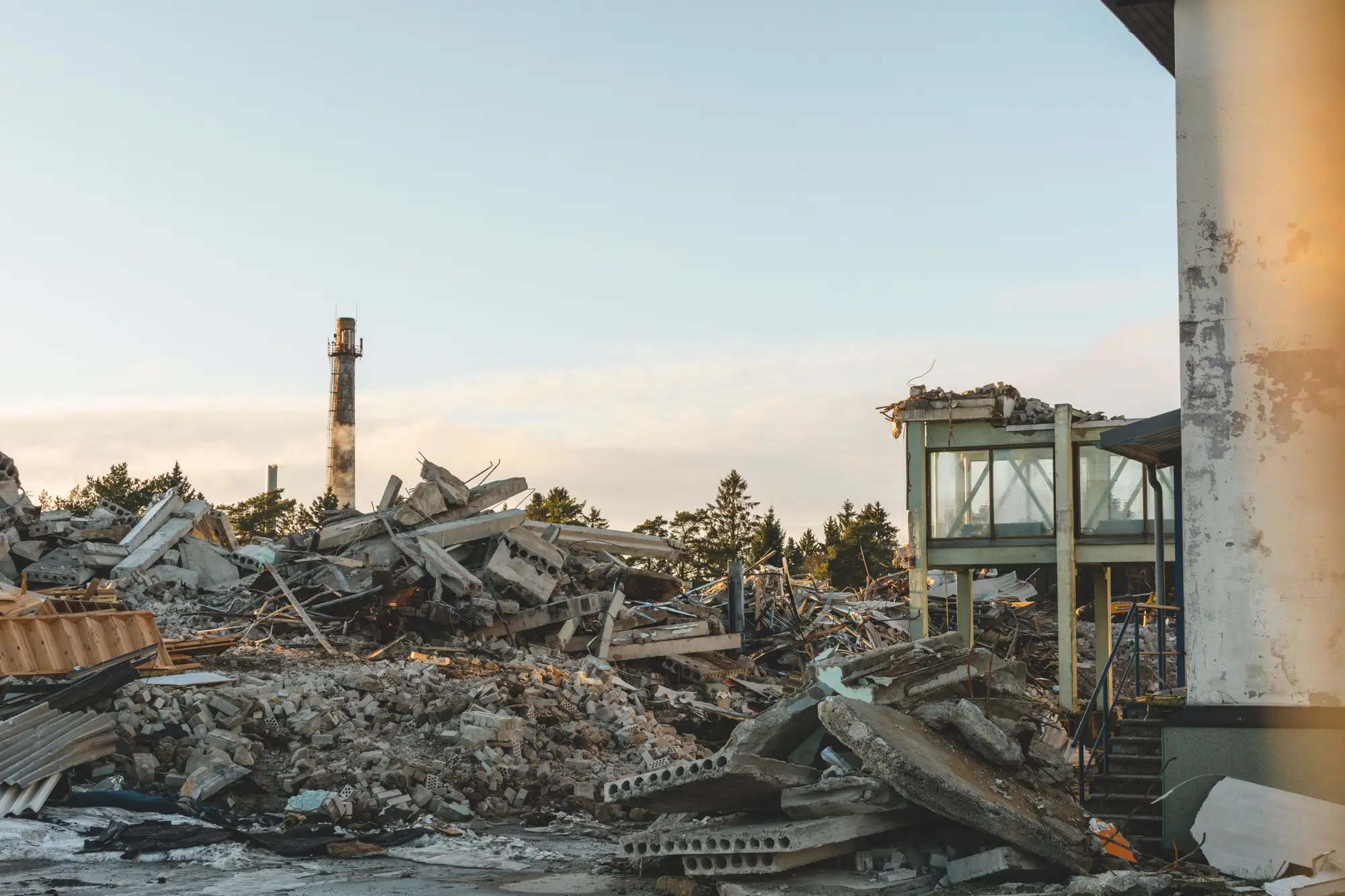
A re-strike decision usually comes down to one question nobody can answer from a single frame of imagery alone: is the target still a threat? The two terms that get thrown around in the BDA brief, mission kill and catastrophic kill, sound like a spectrum, but they describe different things entirely, and the imagery supports one of them far better than the other.
Mission kill versus catastrophic kill, plainly
A catastrophic kill, sometimes written K-kill, means the structure or platform is physically destroyed to the point it cannot function again without a full rebuild. A collapsed roof span, a crater where a hardened shelter used to be, a vehicle hull torn open with the turret separated: these are things a photograph can show you directly, because the damage is structural and permanent.
A mission kill is lower-bar and much harder to see. It means the target can no longer carry out its intended function, even though the structure is still standing.
Think of a radar van with its dish intact but its antenna feed severed. Or a command node with the building untouched but the generator shed next to it flattened, cutting power. Or a runway that isn't cratered but has a fuel line hit, so nothing fuels off it. The box on the ground looks the same in the after shot. The capability inside it doesn't exist anymore.
That gap between the two is where most re-strike arguments happen. Analysts can agree a building took a hit. They disagree on whether that hit achieved the functional effect the strike was ordered for.
What VHR optical can confirm, and what it can't
Before/after imagery at sub-half-meter resolution is genuinely good at a specific, narrow job: showing you that a roof caved in, a wall breached, a footprint vanished between passes, and roughly how much of the structure came down. Roof collapse, wall breach, debris field extent, scorch pattern, a structure that's gone from the after pass entirely. Graded per structure, dated against the strike package, this is a solid basis for a catastrophic kill call, and it's exactly the kind of itemised assessment a planning cell can work from quickly.
What optical imagery alone does not tell you is what's happening below the roofline or inside the hull. It can't confirm whether the generator still runs, whether the fiber run under the floor was severed, whether the people who operated the system survived and relocated the capability elsewhere overnight, or whether a structure with zero visible damage has nonetheless been abandoned because the equipment inside was destroyed by overpressure without a mark on the exterior. None of that is a camera's job, and no amount of resolution fixes it. A mission kill call almost always needs something imagery can't supply on its own: SIGINT showing the emitter's gone quiet, a HUMINT report, or a second look days later that shows the site was never reoccupied despite looking intact.
That's also the trap in reading a structure as "undamaged" and assuming the target survived. Plenty of mission kills photograph as a clean building. The planning officer who treats "no visible damage" as "target still functional" is making the same mistake as the one who assumes any roof hole means the capability's gone for good. The honest read from imagery alone is almost always narrower than either of those: it tells you what's structurally changed, dated and graded, and leaves the functional call to whoever's fusing in the other sources.
That narrower read is still the piece worth getting right fast, because a delayed or vague structural call holds up everything downstream of it. A dated, itemised grade run per structure off the before and after pass gives the planning cell something concrete to argue from instead of a raw image pair and a guess.
Run the next post-strike pass through Battle Damage Assessment and get the per-structure grade back before the re-strike window closes.