2026-10-13
Confirmed, probable, or possible: how BDA confidence calls actually work
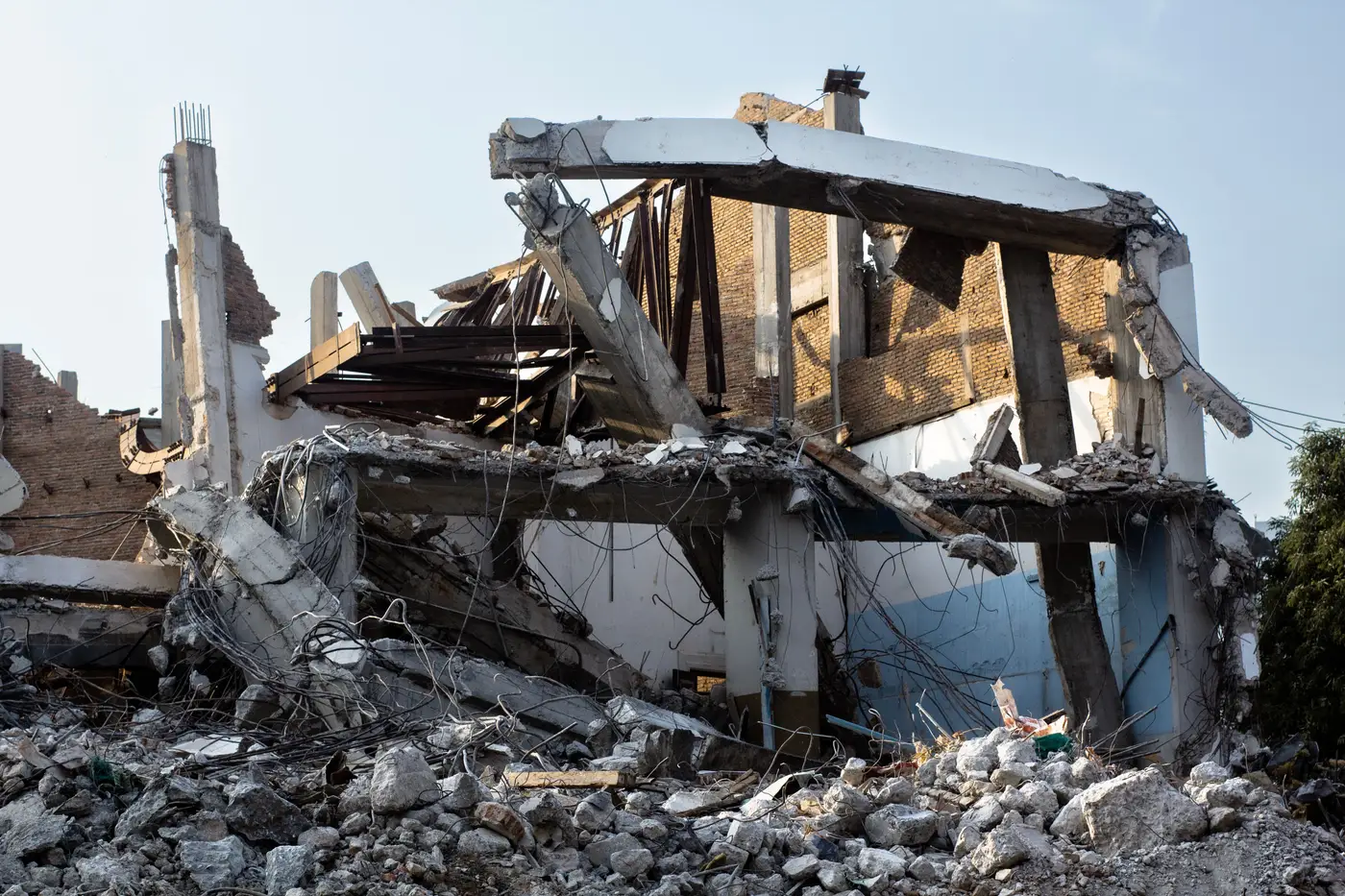
Three words carry a lot of weight on a BDA report, and they get used loosely more often than they should. Confirmed, probable, possible: the tier an analyst assigns is a function of what the imagery actually shows and what it doesn't. Getting sloppy with the label either sends a re-strike package at a target that's already dead, or leaves a functioning node standing because nobody wanted to commit to "confirmed" without a second look.
What separates the three tiers
A confirmed call means the post-strike frame shows direct, unambiguous evidence of the intended effect: a structure collapsed to its footprint, a vehicle with a visible penetration and no subsequent thermal or activity signature, a POL site with the tank wall breached and contents gone. The analyst isn't inferring damage from indirect cues; it's sitting right there in the pixels, and a second analyst looking at the same frame would call it the same way.
Probable is the tier that does most of the work on a BDA desk, and it's also the one people misread as weaker than it is. A probable call means the evidence points one direction but something keeps it short of confirmed: roof damage consistent with a direct hit but no interior visibility, a debris pattern that matches the weapon effect but obliquity angle hides the center of the blast, or a target that's gone from the frame entirely with no crater to explain where it went. Probable isn't "maybe." It's "the preponderance of what I can see says yes, and here's the specific thing blocking me from saying it outright."
Possible is the hedge tier, and it should stay rare. It covers imagery that's ambiguous on its face: heavy shadow across the aim point, a time-late pass where weather moved in before a clean look, or a structure that could be damaged or could just be oriented differently than the pre-strike reference. A possible call is an honest statement that the imagery didn't resolve the question.
Why the tier, not just the narrative, drives the re-strike call
The write-up under each tier matters, but a planner working a re-strike list under time pressure is scanning for the tier first. That's the whole reason the three-word system exists instead of a paragraph every time. If every call defaulted to "probable" because nobody wanted to own a hard confirmed, the list stops being useful: everything looks the same shade of maybe, and the planner either re-strikes targets that are already destroyed or burns a sortie confirming something the imagery already settled.
The flip side matters just as much. A confirmed call that's really a probable dressed up to look decisive takes a target off the list that should still be on it, and the mistake doesn't surface until a mission report or a follow-on asset flags activity at a location that was marked done. The tier has to survive a second set of eyes, because it will get one.
An analyst's confidence between one pass and the next moves because of the imagery itself: a second collection at a better sun angle, a longer dwell that lets shadow clear, a wider frame that brings in a reference feature the first pass cropped out. That's the practical argument for pairing every strike with a dated before/after set rather than a single post-strike snapshot and a guess. The second look is what moves a possible to a probable, or a probable to confirmed, without anyone having to defend a judgment call the frame itself doesn't support.
Battle Damage Assessment builds that before/after pairing into a per-structure, dated assessment, so the confidence tier on the page reflects what the imagery earns on that date. If a re-strike list is waiting on a tier that will hold up, that's the gap worth closing first.