2026-10-14
CDE vs BDA: what's the actual difference
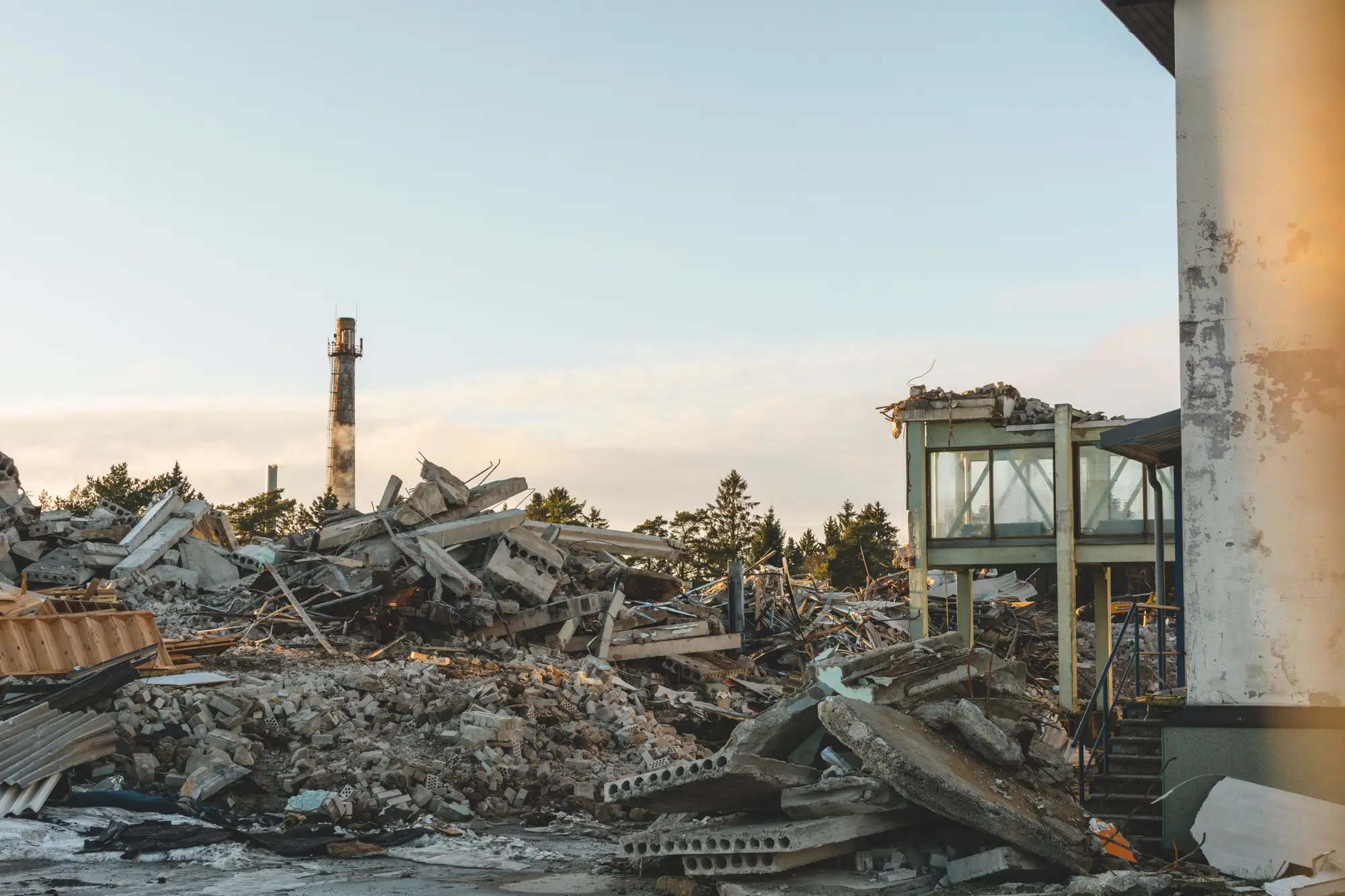
If you've sat through a targeting board, you've heard both terms thrown around like they mean the same thing. They don't. Collateral damage estimate and battle damage assessment sit on opposite sides of the strike, answer different questions, and feed different decisions. Mixing them up in a brief is a good way to get a blank stare from the J2 or the SJA rep.
CDE comes before the strike, BDA comes after
A collateral damage estimate is a pre-strike product. It runs during weaponeering, before a single munition leaves the rail. The question CDE answers is: given this target, this weapon, this fuzing, and this collateral effects radius, what's the likely spillover to structures, people, and protected sites nearby? It's a prediction, built on modeling, no-strike list checks, and whatever ISR you have on the surrounding area at the time. CDE is why a target gets bumped up for additional review, why a weapon gets swapped for a smaller yield, or why a strike package waits for a cleaner shot geometry.
Battle damage assessment is the opposite end of the timeline. It happens after weapons impact, and it answers a completely different question: what actually happened to the target, regardless of what was expected or modeled beforehand. BDA has three legs people often collapse into one word: physical damage assessment (what's visibly destroyed, cratered, or collapsed), functional damage assessment (is the target still capable of doing its job), and munitions effectiveness assessment (did the weapon and fuzing perform the way weaponeering assumed). A re-strike decision leans hardest on the first two.
CDE is a forecast of harm before you act. BDA is a verdict on effect after you've acted. One is probabilistic, the other is observed. Confusing the two in a product or a workflow means you're trying to use a prediction tool to answer a question only post-strike imagery can answer, or vice versa.
Why the collateral damage estimation process doesn't help your re-strike call
This is the part that trips people up operationally. CDE methodology is built to bound risk before the decision to strike. It's not designed to tell you, three hours after impact, whether building 4 in the compound is a pile of rubble or just has a blown-out roof. Trying to stretch a CDE model into a post-strike tool means you're guessing at effect instead of observing it, which is exactly backward for a re-strike recommendation. The re-strike question needs eyes on the target as it stands right now, not a model of how it was expected to behave.
A re-strike recommendation runs structure by structure: this building destroyed, that one moderately damaged but still functional, the third one untouched. Lumping the whole compound into one damage call either sends a strike package back at something already dead, or clears a building that's still doing its job.
Pre-strike CDE and post-strike BDA also pull from different imagery disciplines in practice. CDE leans on whatever current intelligence picture exists for the area, which may be days or weeks old depending on collection priority. BDA needs a before and after pair tight to the strike window, ideally very-high-resolution optical imagery captured close enough together that nothing changed in between except the strike itself. That's the only way a damage grade on building 4 means anything specific to this strike, not to background changes in the area.
Battle Damage Assessment is built around that second half of the timeline specifically. It's not a CDE tool and doesn't try to be. It takes before and after VHR optical imagery, ≤0.5 m GSD, RGB, and produces a dated, itemised, per-structure destruction grade, tasked when a strike happens rather than sitting on a collection schedule. The output is built for the question a planning officer has standing in front of a damage overlay: which structures are confirmed destroyed, which took partial damage, and which ones warrant a second look.
If your targeting cycle already has CDE locked down and the gap is on the back end, that's the one worth closing first. Run a tasking the next time a strike happens and see what a per-structure grade looks like against your own imagery.